Running a business isn’t cheap. One unexpected expense, a slow-paying client, or a sudden growth opportunity can put serious pressure on your cash flow.
In this article, we’ll break it all down—what online business loans really are, their pros and cons, who they’re best for, and the top lenders you should actually consider.
What Are Online Business Loans?
Online business loans are financing options offered by digital lenders rather than traditional banks or credit unions. You apply online, submit documents electronically, and often receive a decision within hours or days.
Unlike banks, online lenders focus on:
- Speed
- Convenience
- Flexible qualification requirements
They often rely on technology, algorithms, and real-time financial data to assess your business instead of rigid credit models.
That’s why online business loans are especially popular with:
- Small businesses
- Startups
- Freelancers
- E-commerce sellers
- Service-based businesses
But with flexibility comes variety—and not all options are equal.
Common Types of Online Business Loans
Before diving into the pros and cons, it helps to understand the main types of online business loans available today.
Online Term Loans
This is the most straightforward option.
You receive a lump sum and repay it over a fixed period with interest.
Best for:
Growth, expansion, inventory, hiring, or large expenses.
Typical terms:
- 6 months to 5 years
- Fixed weekly or monthly payments
Business Lines of Credit
A flexible credit limit you can draw from as needed.
You only pay interest on what you use.
Best for:
Cash flow gaps, emergencies, recurring expenses.
Short-Term Business Loans
Designed for quick access and fast repayment.
Best for:
Urgent needs or short-term opportunities.
Invoice Financing
You borrow against unpaid invoices.
Best for:
B2B businesses waiting on customer payments.
Equipment Financing
Used to purchase business equipment.
Best for:
Machinery, vehicles, or technology upgrades.
Merchant Cash Advances (MCAs)
You receive cash in exchange for a portion of future sales.
Best for:
High-volume businesses that can handle daily repayments.
This one comes with higher risk, which we’ll cover later.
The Pros of Online Business Loans
Let’s start with why so many business owners choose online lenders.
1. Fast Approval and Funding
This is the biggest advantage.
Many online lenders offer:
- Same-day decisions
- Funding within 24–72 hours
When time matters, this speed can be a lifesaver.
2. Simple Application Process
Forget stacks of paperwork.
Most online applications take:
- 10–20 minutes
- Minimal documentation
- No in-person meetings
Everything happens online, on your schedule.
3. Flexible Qualification Requirements
Traditional banks often want:
- Perfect credit
- Years in business
- Large collateral
Online lenders are more flexible.
Many focus on:
- Monthly revenue
- Cash flow
- Business performance
This opens doors for newer and smaller businesses.
4. More Options for Different Needs
Online lending isn’t one-size-fits-all.
You can find loans for:
- Short-term needs
- Long-term growth
- Seasonal businesses
- Low credit borrowers
That variety makes it easier to match funding to your situation.
5. Transparency and Digital Tracking
Most reputable online lenders provide:
- Clear dashboards
- Real-time balance tracking
- Automatic payments
This makes loan management easier and more predictable.
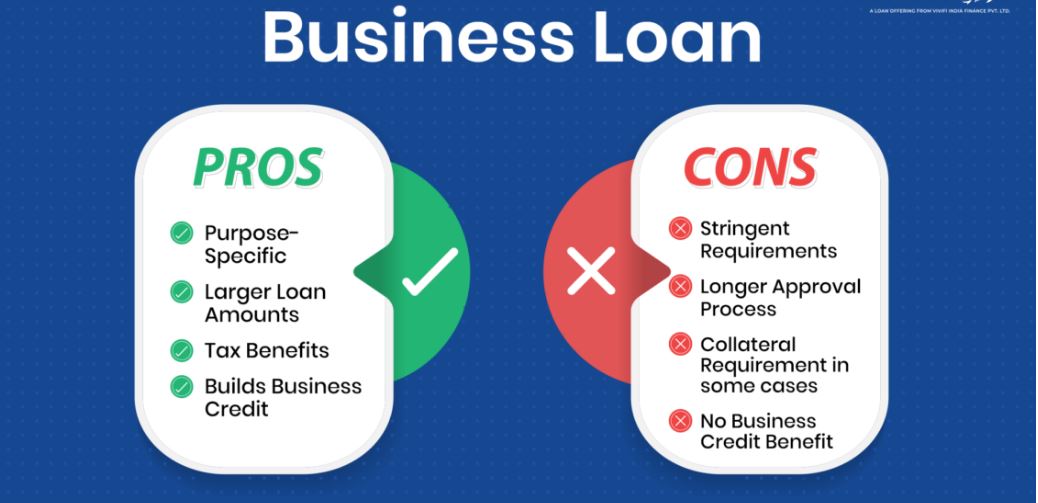
The Cons of Online Business Loans
Now for the reality check.
Online loans are convenient—but they’re not perfect.
1. Higher Interest Rates Than Banks
Speed and flexibility come at a cost.
Online loans usually have:
- Higher interest rates
- Higher APRs
Banks offer lower rates, but only if you qualify and can wait.
2. Shorter Repayment Terms
Many online loans require:
- Weekly payments
- Shorter loan durations
This can strain cash flow if you’re not prepared.
3. Fees Can Add Up
Some lenders charge:
- Origination fees
- Processing fees
- Early repayment penalties
Always read the fine print.
4. Risky Products Exist
Not all online lenders operate ethically.
High-risk options like merchant cash advances can:
- Drain daily revenue
- Lock you into debt cycles
- Cost far more than expected
Knowing what to avoid is just as important as knowing what to choose.
Who Should Consider Online Business Loans?
Online business loans work best for businesses that need:
- Speed
- Flexibility
- Moderate funding amounts
They’re ideal if you:
- Have steady revenue
- Need capital quickly
- Don’t qualify for bank loans
- Want a simple application process
They may not be ideal if:
- You need very large loans
- You can wait months for funding
- You qualify for low-interest bank financing
How to Choose the Right Online Business Loan
Choosing the wrong loan can hurt your business more than help it.
Here’s how to choose wisely.
Know Your Purpose
Ask yourself:
- What is this money for?
- Will it generate or protect revenue?
- How soon will it pay for itself?
Clear goals lead to better loan choices.
Compare APR, Not Just Payments
Weekly payments can look small but hide high costs.
APR shows the true cost of borrowing.
Always ask for it.
Match the Loan Term to Your Cash Flow
Short-term loan for short-term needs.
Long-term loan for long-term investments.
Mismatch creates pressure.
Avoid Daily Repayment If Possible
Daily withdrawals can choke cash flow.
Weekly or monthly payments are safer and easier to manage.
Top Online Business Loan Lenders to Consider
Now let’s talk about lenders that are well-known, reputable, and commonly trusted by small businesses.
Note: Availability and terms vary by business profile.
1. BlueVine
Best for:
Lines of credit and invoice financing.
Why consider them:
- Fast approvals
- Transparent terms
- Strong reputation
2. OnDeck
Best for:
Short-term loans and lines of credit.
Why consider them:
- Quick funding
- Clear pricing
- Useful for established businesses
3. Fundbox
Best for:
Small businesses with limited credit history.
Why consider them:
- Simple applications
- Flexible repayment
- Great for cash flow gaps
4. LendingClub
Best for:
Longer-term business loans.
Why consider them:
- Competitive rates
- Predictable monthly payments
- Bank-style structure5. Kabbage (American Express Business Blueprint)
Best for:
Revenue-based lending and flexible access.
Why consider them:
- Automated approvals
- Strong financial backing
- Easy integration with business accounts
Online Business Loans vs Traditional Bank Loans
Let’s compare them side by side.
Online Loans:
- Fast approval
- Flexible requirements
- Higher rates
- Shorter terms
Bank Loans:
- Lower interest rates
- Longer approval process
- Strict requirements
- More paperwork
Neither is “better.” They serve different needs.
Mistakes to Avoid With Online Business Loans
Many business owners run into trouble because of simple mistakes.
Avoid these:
- Borrowing more than needed
- Ignoring APR and fees
- Accepting daily repayment terms blindly
- Using loans to cover ongoing losses
- Not reading the contract
Loans should support growth—not hide problems.
Smart Ways to Use Online Business Loans
Use online loans for:
- Inventory purchases
- Marketing campaigns
- Equipment upgrades
- Hiring key staff
- Bridging cash flow gaps
Avoid using them for:
- Long-term unprofitable operations
- Personal expenses
- Chronic revenue shortfalls
Conclusion
Online business loans aren’t good or bad by default.
They’re tools.
Used correctly, they can:
- Save time
- Unlock opportunities
- Stabilize operations
- Help your business grow
Used poorly, they can:
- Increase financial stress
- Reduce profits
- Create long-term debt problems
The key is balance.
Understand the terms.
Choose the right lender.
Borrow with a clear purpose.
When you do that, online business loans can be one of the smartest financial tools in your business toolkit.